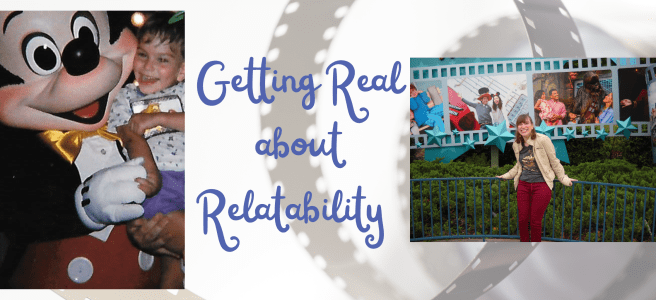
In October, Disney® celebrated its 100th anniversary. Ever the marketer, the company has produced a number of specials and segments across networks to commemorate the milestone and reflect on their achievements throughout the century. During one I watched last month, I experienced all of the intended nostalgia, and I realized one of the building blocks that has contributed to Disney’s® indelible mark on pop culture—relatability.
“How can you say a multi-billion-dollar franchise is relatable?” you might ask. While the commercial giant itself may not be, their products connect with countless people across walks of life. They may wrap their characters in whimsical fairy tales, but at their core, they’re about real feelings and struggles people face.
As the presentation recapped the studio’s various classic films, for instance, I recalled which storylines resonated with me through my childhood. My favorite, “Cinderella,” drew me in because, being disabled, I connected with being the outcast—thankfully not among my family—and wishing somebody could see beyond my physical limitations…not to mention how gorgeous shoes led to her happily-ever-after! Similarly, I could relate to “The Little Mermaid” and her wishes to have the freedom land-dwellers did, especially “walking around on those…what do you call them again? Oh, feet!”*
Thinking about those themes and a myriad of others, I appreciated how many vastly different scenarios they encompass. The stories and the songs can seem so specific to your circumstances, and yet, somebody in a completely different situation can tell you it matches his/her life to a tee, as well. It goes to show how similar we, in fact, are on the inside, even if our external factors vary.
Being an author, I took note of this skill Disney® has mastered and considered how to strive to make my characters and plots relatable across readers. I doubt there’s one central way, but rather, it involves a combination of tricks, many of which we probably do without much thought.
A starting block that most of us already implement is to have conflict of some sort. This doesn’t mean we ought to litter our scene with argument after argument or that the stakes always need to be life or death. Conflict comes in many forms, but it has to run contrary to the protagonist’s pursuits in one way or another. Aside from driving the plotline, conflict also exposes a character’s strengths and weaknesses, which often makes them more relatable to the audience. Nobody could relate to characters that have everything go their way all of the time, so it’s important to set up even minor obstacles to keep readers connected.
While we would never want to portray a character to be generic in hopes he/she’d resonate with everybody, we also need to select qualities and habits to instill in characters that will be familiar to readers. Sure, little quirks and idiosyncrasies can liven up a character, but if we simply fill him/her with that, we risk disengaging the audience. Even if the character is wealthy or in an uncommon position, we can still add traits and flaws that humans in general face. Like I stated earlier, we all share similar mentalities, so writers and other artists lean into that.
If Disney® has taught us anything, it’s that characters and the real-world matters they represent can stick with a person for the rest of his/her life. They move children to power through difficult times and keep believing that things will get better. While we’ll probably never achieve the success of those storytellers, we can still strive to create such relatable and meaningful characters.
*”Part of Your World” Lyrics by Howard Ashman
 KarinaBartow.com
One thought on “Getting Real about Relatability”