
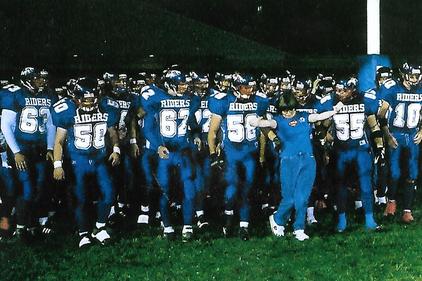
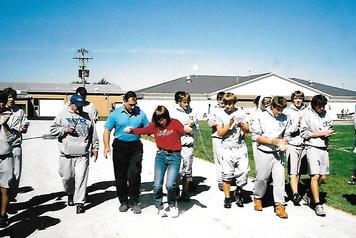
Last month, I enjoyed the privilege of seeing the film “Super/Man™: The Christopher Reeve Story.” With my parents being lifelong Superman™ fans, the various film and television adaptations have been a must-watch in our household, leading me to share their affection for the Man of Steel™. In fact, back in the days when I was walking 100 meters with the track and football teams, I had the tradition of sporting the famous “S” insignia.

This recent movie, however, doesn’t chronicle a fictitious plot about Superman™ taking down Lex Luthor or another villain that poses a threat to humanity. Rather, it follows one of the actors who played the iconic character, a man who possessed no super abilities beyond the rest of us but had to battle struggles that are arguably more difficult than smashing through a concrete wall.
I was five years old when Reeve was paralyzed from his fall off of a horse, and because of my Cerebral Palsy, my family paid special attention to his recovery. To be honest, I’ve always felt worse for his limitations and the way they impacted him more than my own, considering he remembered all the activities he used to be able to do. Having been born disabled, however, my challenges were all I knew, so I never contended with the sense of loss thrust upon him. Because of my young age, I didn’t have the insight into his progress I gained from this documentary, but I had an admiration for him continuing to fight.
With the glimpse into his struggles that the movie provides, I grew in my appreciation for him and garnered some takeaways that give me a new perspective on my life. I don’t want to give away any spoilers, so I’ll try to remain as generic as possible.
After enduring the initial shock of his life-altering trauma, Reeve used his limited abilities to help others, not just through his charity, but on an individual basis. For example, once he adapted to using a tracheotomy tube to breathe, he mentored a fellow patient to continue trying to make the same transition. The more he helped others, the greater strides he made.
Though he required extensive care just to survive, he still maintained a spirit of wanting to contribute to his family and friends’ lives —and even acquired a deeper purpose in that regard. In the interviews among his inner circle, their expressions make it clear that they still have a void that only he could fill, whether he was paralyzed or not. His lack of mobility didn’t diminish the value he had as a friend, brother, and father. Even though he would’ve continued to need ‘round-the-clock-care, they yearned for many more years with him and believe his influence would have enriched their lives.
This observation had significant meaning to me for two reasons, the first being because of a recent loss in my life. My dear friend, John Farmer—who inspired a character in my 2018 novel, Forgetting My Way Back to You—passed away a few weeks prior to the movie’s release. John was disabled due to suffering a stroke in 2009, so he and I shared a lot of the same frustrations inflicted by our handicaps. Though our similar challenges bonded us in a unique way, the friendship we had before his stroke didn’t change.
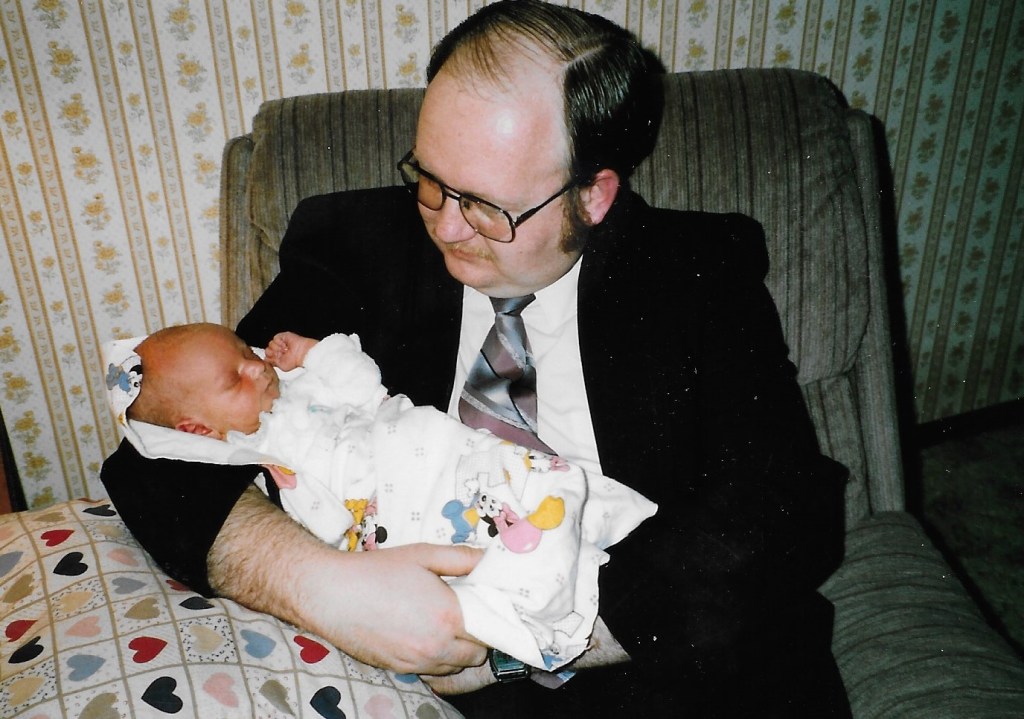

Like Reeve, John experienced an adjustment period, but after some healing, he regained his dynamic personality. Despite his inability to do physical work, he maintained his care of people and was always ready to listen, give his one-of-a-kind wisdom, and throw out a mischievous joke to lift your spirits…or better yet, annoy you! Because of his poor health, I figured we were on borrowed time with him and cherished every visit we had. Nonetheless, I continue to think of him every day, wishing he was still around to goad me.
Along with that, the sentiments of Reeve’s loved ones reminded me of my value. When you’re so dependent on others, you can’t help but question, “Does anybody need me?” My parents raised me to reach out to others, regardless of how much I can do, and I’ve done my best to live by that, offering any kind of support or assistance within the realms of my capabilities. Doing so has always given me purpose and built my self-esteem, but I’ve still grappled with doubts about my contributions to society.
Because of Reeve’s example along with the void I feel after John’s death, however, I have a better grasp on my worth. I now realize that my abilities or lack thereof don’t determine my usefulness to people. I can still impact somebody’s day by giving them my care just as much as someone can by helping them carry a couch. In the eyes of those who matter, I can brighten the room, even if I’m not the one who installed the lightbulb.
Regardless of your limitations, you can contribute much to the lives of others. True, your requests may have to outnumber the offers you make on a daily basis. If you show care and display the mixture of qualities that define you, though, people will remember those uplifting interactions long after they remember the calls for help.
 KarinaBartow.com
2 thoughts on “Taking a Stand without Standing at All”