
A hot button issue in recent months has been how much control social media sites and other outlets should have over verifying information that’s peddled online and elsewhere. Some maintain the view that companies have an obligation to inform their audience whether a certain statement that’s made is reliable. Others, however, feel that even those measures can be tainted with bias and therefore should not be employed. For my part, with or without such precautions, I like to consult more than one source in order to compare what’s treated as fact to try to get trustworthy answers.
This post, though, isn’t about such debates. Instead, I’d like to draw to another type of fact-checking that can be even more important: fact-checking what you believe about yourself. As I’ve explored on this blog, none of us have a truly objective view of ourselves. We may question whether we’re good enough for various tasks and even question our own value to others. This can be heightened further if we unfortunately have people who imply or outright tell us such negative things.
A few years back, my post The Wide Lens or the Ultra Zoom? discussed how others can mar our opinions of people by sharing unflattering claims about them. It highlighted the need not to focus on somebody’s flaws to the point that they become all we can see. Likewise, we shouldn’t do that to ourselves, even if someone in our lives has a habit—whether it be deliberate or not—of magnifying them to us.
Of course, no one is perfect, and we can’t go to the other extreme of blinding ourselves to that undisputable fact. We all have areas to work on, and many times, an outside party can help us to see those areas better than we can. Just like we do with different subjects, though, we ought to determine who’s the best source to believe and whether what they are telling us lines up with other realities.
For years, I grappled with doubts about myself that were amplified by regrets about my not-so-finest hours and other external factors. Don’t get me wrong: I’m a very flawed person! I have my difficult moments like everybody else does, and even if my blogs make it sound like I have it all together, I assure you I don’t! That said, an honest self-evaluation showed me the knocks on my character that I let myself believe just weren’t true.
How did I come to this conclusion? With the help of my most trusted confidant—yes, my mom—I reflected on several instances in my life and the way I actually handled them. Though outside noise almost insisted otherwise, in retrospect, I realized I gave my best and with the best of intentions. The feedback I received was very unfounded, given by the wrong source who didn’t afford me the chance to relay my true feelings.
This taught me the need to refrain from looking at yourself through lenses forced on you by those who honestly don’t know you. Just as we wouldn’t trust a total stranger’s claims about a friend who’s never met that friend before, we ought not let others cloud our identity with untruths. Sadly, they sometimes reflect a lack of self-esteem on the other person’s part.
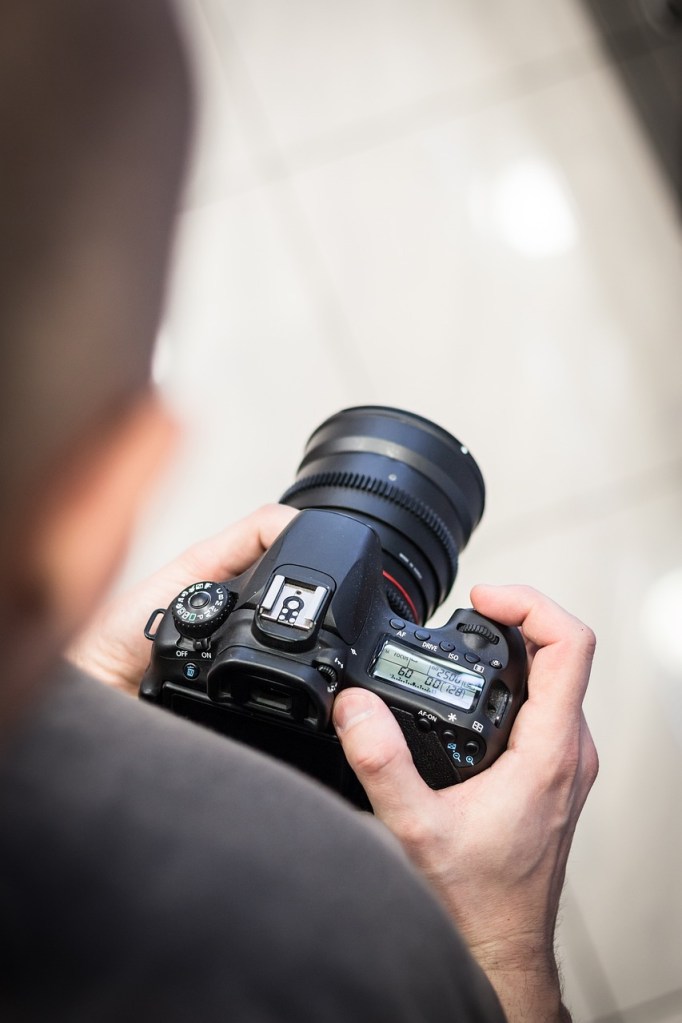
We all need constructive criticism to move forward in our personal development. Similar to our search for reliable information, however, we need to seek it out from the right source. When we make mistakes and hurt someone, we should endeavor to make amends and be aware of the weaknesses we do possess. At the same time, we should also be realistic about our strengths, regardless of who doesn’t see them. Like a photographer who knows his/her subject well, we need to filter out the splotches that truly don’t belong on our self-image.
 KarinaBartow.com