Ten years ago, my debut novel, Husband in Hiding, was accepted for publication. This is the fourth installment of a series of reflective posts about that initial taste of success and what I learned in the process.
My last installment ended with me finally receiving and acceptance letter from a small publisher named Splashing Cow Books. During those first few weeks, my adrenaline was running high, as I began to establish myself as a “published author,” setting up my own website and all. Even though I wasn’t on social media at the time, I did my best to tell as many people as I could—all the way back to my former schoolteachers—about the fulfilled dream.
As I shared in my first post of this series, I always knew I wanted the opportunity to work with a professional editor but couldn’t afford their fees. I was privileged to have a very supportive former teacher proofread my work before I submitted anything to publishers, who has continued to help me to this day. She and I agreed, however, that my writing would grow further from the expertise of a professional.
Just the same, I really didn’t know what to expect. Up to that point, I thought of grammar and punctuation in the realms of editing. Since my teacher/writing coach covered all of that, I hoped the editor would slap a golden star on the manuscript and call it a day. Suffice to say, that didn’t happen!
When my publisher passed on the editor’s feedback, it started with more than three pages of single-spaced notes with matters that needed addressed. They ranged from adjustments I needed to make to characters and the way I presented them, to concerns about how my timeline flowed. Then, those issues were broken down into notations throughout the manuscript itself. The night I received everything—including a deadline of two weeks away—anxiety coursed through my veins!
That commenced the busiest fourteen days of my life to date. Since I can only type with one hand, I knew I couldn’t slack. For the first week, I spent nine to eleven hours a day at my computer. Because of the timeline issues in particular, I wiped out several thousand words per sitting when needed. Of course, those deletions usually demanded me to fill in the gaps left behind, even though I didn’t have a required word count to meet.
During week two, my non-writing schedule was a bit fuller, but I still didn’t have much breathing room with my progress. This forced me to do the very thing I’d vowed never to do: ask for help with typing. On an especially hectic Sunday, I dictated in the car along a 45-minute drive, as my mom played secretary with a notepad in the backseat to type later. Then, I continued to use her for the next few days, which was not the relaxing break you might presume it to be.
Having grown up an avid reader, Mom couldn’t stay out of the storyline, and due to the fact that I hadn’t yet allowed her to read the whole book, that proved challenging. She’d often interrupt my dictation, giving her own commentary of what I was writing. I called her my talking hand! She’d pipe up, “But you just said…” Then, I’d tell her, “I’m getting to it!” Needless to say, I swapped her out for my dad from time to time, given he just typed whatever I said without question.
By the end of it, I met my deadline and was pleased overall with the results. I had some friends ask me if I felt the changes still reflected me and my style, and I have to say they did. Sure, there was an area or two I really would’ve preferred to keep intact, but their absence didn’t mar the finished product. All in all, I realized the edits enhanced what was already there, polishing it up for readers.
One component of editing I didn’t understand back then was the need to look over the galley or the formatted version of your book that’s given to the printer. My publisher sent it to me a couple of months later after having a copy editor proofread it once more, but I didn’t realize I should’ve reread it again myself, as errors can creep in during formatting. Thankfully, it didn’t come back to bite me, but I’m including this inexperienced misstep for any new authors out there.
I’ve jokingly compared getting a book published to the birthing process. Admittedly, I’ve never undergone the true labor experience, but for the sake of comparison, I’d call editing one of the painful yet necessary contractions associated with it. Little did I know, however, that my birthing pains were anything but over.
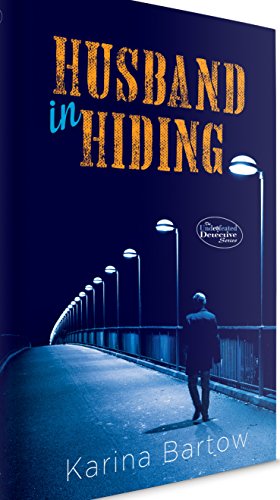
Check out the finished product!
Buy Now!
Up Next>
Defining a Decade: The Cover Conundrum
<Previously
Defining a Decade: The Big Splash
Also See
Editors: A One-Person Jury or a Friendly Doorman to the World of Readers?
 KarinaBartow.com
One thought on “Defining a Decade: The First EDITion”