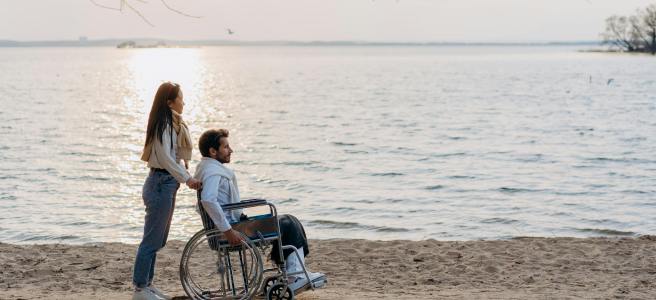
November is National Family Caregivers Month. According to SAMHSA, “family caregivers are defined as family members or someone who is identified as ‘family’ who provide assistance and support to an individual with a chronic health condition – including mental health and substance use conditions, disability, or functional limitation.” Since I have Cerebral Palsy and have needed caregivers for my whole life, this subject is close to my heart.
In my previous post, I shed light on the adjustments one needs to make when they find themselves on the receiving end of caregiving. These adjustments are both physical and emotional, as you need to make compromises with your caregivers to make it easier for them to handle their many responsibilities. In some respects, this can be a challenge because we’re all inclined to take our family for granted. On the other hand, the love we have for them can help us make those compromises, as we don’t want to see them suffer.
How far should we go with these sacrifices, though? Are we no longer allowed to have extra endeavors or hobbies, so that our caregivers don’t have more duties?
As My Story shows, my parents included me in everything they did and adapted activities to enable me to enjoy them with my family. Their efforts in that regard have continued up till now, as they’ve allowed me to make the most of my writing career, providing me transportation to book signings and assisting me with such events. I must say, they’re the best entourage!

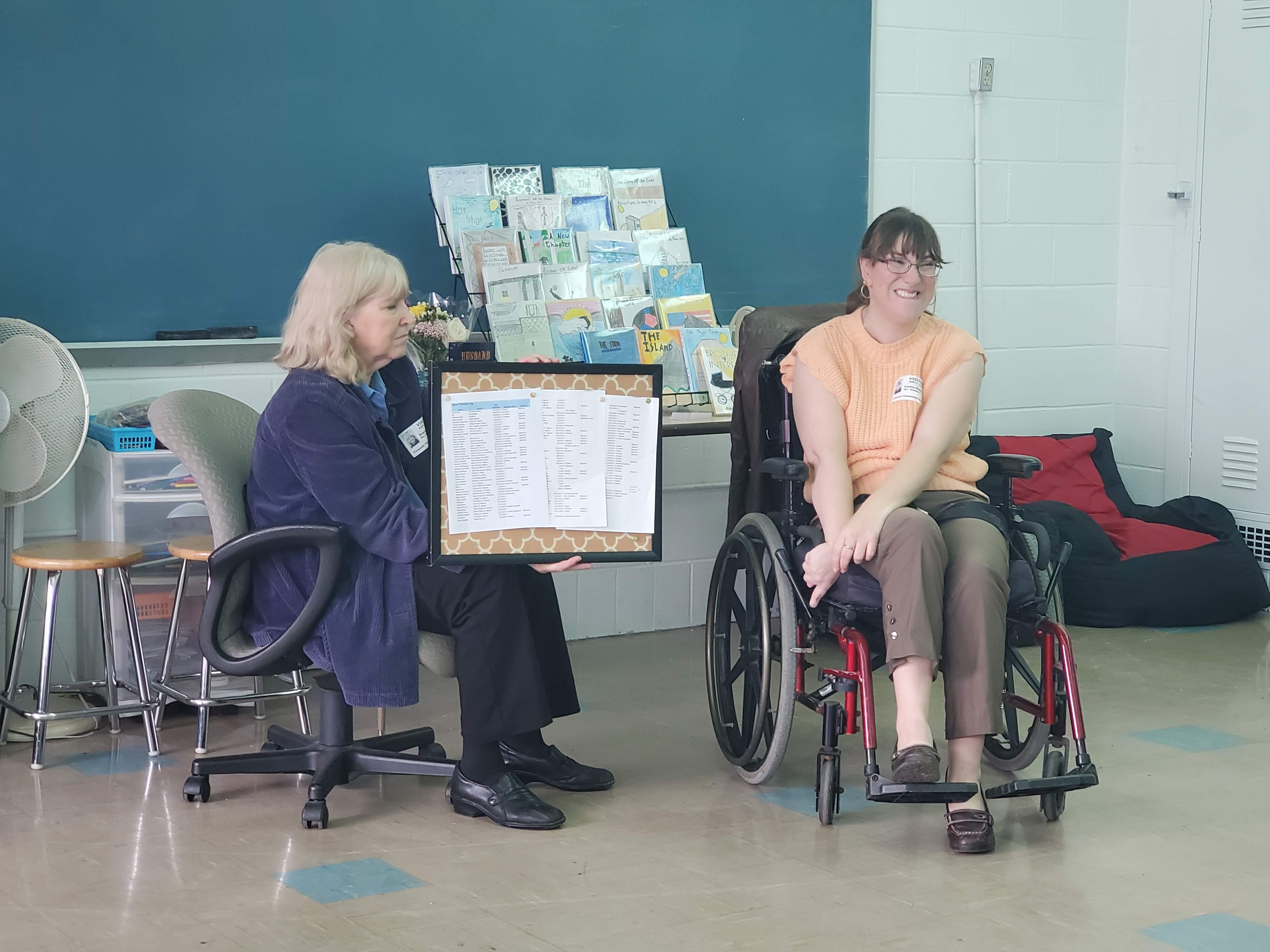

Because of how much they’ve done, I’ve always had an internal brake that makes me not want to ask for anything beyond that. Especially as we’ve all grown older, I don’t want to make any requests that I know will be difficult on their bodies, like pushing my wheelchair on certain terrain or extending our day with one more stop. In the past few years, I’ve even had to reduce the height of my beloved high heels to keep us safe while walking.
Sometimes, however, I get unbalanced with this—pun intended. On certain occasions, I get a chip on my shoulder and pettily draw attention to the sacrifice I made, thus causing friction. In other instances, I refrain from asking for something that they wouldn’t have minded doing anyhow and end up disappointed that we all missed out. That typically results in my mom saying, “If you just would’ve said something…”
Clearly, I still don’t have it down after more than three decades!
Even so, those occasions have taught me the value of communication. When there’s love on both sides, you can hash out the right plan for both of you. Caregivers often understand your challenges and what you’ve had to give up more than anyone, and they enjoy seeing you delight in things available to you. At the same time, you’re in a position to appreciate their efforts better than anyone and can use that to discern whether something will be too much on them. With those two perspectives combined, you can discuss the feasibility of a choice and come to a reasonable solution…and avoid the tendency to pout if it doesn’t go in your favor!
No two caregivers are the same, with each person having his/her unique circumstances and limitations. Along with that, circumstances change for everyone, so we can’t expect our caregivers to continue to do everything they once could. Both caregivers and care-livers need to be honest with each other and adapt to those fluctuations. Sometimes, you may not have to give up something altogether but just do it in another way or time. If you’re fortunate enough to have more than one caregiver, you can also consider quietly divvying up tasks by asking for certain assistance from each one so that neither gets overwhelmed.
Like any valuable possession, we need to treat our caregivers with care as we rely on them through the years. While we may not be able to take away their load like we wish we could, we can make it feel lighter just by showing compassion and appreciation. Such affection can act like polish on a well-used set of fine China, smoothening out any scratches and enhancing its original beauty.
Also See
One Day at a Time: More than just a Classic Sitcom
 KarinaBartow.com
One thought on “Caregiving & Care-living: Part Two”