It’s no secret I’m a big fan of memories; along with past posts on this blog about them, I’ve centered two novels on memories and how they affect a person’s life. Even in the books that aren’t themed around memories, I often include flashbacks of past events in characters’ lives that correlate with the present. Yes, good and bad memories do much to shape our lives, just like paying heed to the examples around us as discussed in Examining Examples.
A few months ago, this became ever clearer to me while I listened to my dad and his cousin catching up and talking about the good old days. They both cherish their memories with their grandfather and took to heart the lessons he instilled in them. Though he passed away decades ago, they hold those memories close and continue to be impacted by them to this day, when they’re grandfathers themselves.
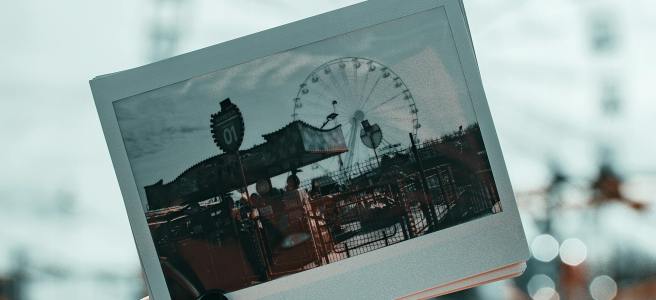
Memories have always spawned creativity among artists and have been compared so many things. Popular songs have compared them to pages, leaves, and pictures, just to name a few. Memories are special because they’re free—even if they were created by an experience that wasn’t—and they’re all our own. The details of them may grow fuzzy over time, but the feelings they evoke can last forever.
While our memories are typically driven by our emotions, our emotions can sometimes play games with our memories. Memories are made by a fixed event in our lives, which happened however it happened, regardless of how we wished it had gone. Despite countless depictions in movies and elsewhere, we can’t go back and change the moment. Even if something occurred the very next day or sooner that altered our view of it, that memory should, in theory, stay the same…
…but all too often, it doesn’t.
Nothing stays the same, and our memories are rarely an exception. The changes we undergo end up altering those memories, if we allow them to. When we grow older, we typically see things differently, and we might go back in time, so to speak, and reevaluate the lens we were looking through. This can go one of two ways, either making the past better than it was or suddenly turning a sweet memory sour.
This is natural, of course. Our mentalities change, and like I mentioned earlier, we now know how circumstances after the memory turn out. Several years ago, I watched my family’s video of a party we went to when I was young. Though I’d always remembered it fondly, I observed how limited and isolated I was due to my disability. Now having the insight into how my life improved after that, my perception was different, tainting the memory a bit.
How should we handle these changes? Should we treat them as an awakening of sorts and discard those once-treasured memories?
It’s difficult not to let the present cloud the past. We’ve lived through both, and the present is more recent and influential, in many cases. If setbacks have taken us off a desired course or relationships have faded away, those disappointments make it hard to look back on remembrances like we used to. We might begin to go back and attribute this current issue to a past incident. We could even want to transition a good memory to a bad one, so that we don’t long for those circumstances anymore.
The mind is a complex operation, and I’m nowhere close to being qualified to map it out. As a memory enthusiast, however, I believe we need to strive to preserve our memories as gifts. We need to fight the tendency to rip them up and forget about how they enriched our lives. With the party video that didn’t match up with my memory, I’ll admit I didn’t care to watch it again. That said, the memory I’d carried for all those years was just what I needed back then, helping me overcome some daunting obstacles.
Sure, memories don’t usually reappear into the present, sweeping us into a happily-ever-after the way they do in fiction. We can’t be consumed by them, either, constantly wishing we could relive them and ditch the here and now. Just the same, they hold the power to remind us of what’s important, to restore something inside that may feel broken, and to give us a nice chuckle. No matter what the present or future holds, let’s not take that power away.