Fifteen years ago this week, my family lost a cherished piece of our lives in my mom’s sister, Glenda. Aunt Glenda had battled diabetes and related health issues for some time, but her passing wasn’t expected to a large degree. I was twenty-one at the time and had experienced several heartbreaking losses before, but this one affected me unlike any other.
Though she lived out of state and our visits were limited, Aunt Glenda was such a spark in my childhood and early adulthood. To this day, I attribute my spunk as coming through her, with her being a very kind woman but one you didn’t mess with! Her comebacks to certain situations still make us burst into laughter, even decades after she uttered them. For instance, when my grandma emerged from the hair salon with a sky-high new ‘do, Aunt Glenda cast her eyes over to her mother and cried, “I’ve got to go home with that?!” When Grandma told her that she had the stylist tone it down, Aunt Glenda replied in her southern drawl, “That’s toned down?”

Needless to say, her death left a significant gap in our lives, and despite coping with losses before, I didn’t handle this one well. Many around us didn’t know her or understand what she meant to me in particular. From the outside, she was just a long-distance relative who had been ill for quite a while. Thus, even the well-intentioned condolences didn’t bring me the comfort they were supposed to carry.
In truth, I needed space. Though on other occasions I could accept the normal customs that accompany death, I wasn’t ready to submit to it all right away. As a matter of fact, I laid low for about a month, unable to handle the prospect of facing the world.
The experience taught me a lot about grief. It showed me how many forms it can take, even in our own souls. It’s not like riding the proverbial bike, where you get used to it once you’ve gone through it once or twice. The people we love are all unique, and the places they hold in our hearts are fit just to them. Hence, each loss is different, and our reaction to them will be, too.
If that’s the case in us as individuals, it’s no surprise how varied we are to one another. Even if we lost the same relation as another loved one, we can’t expect to handle it in the same way. We’re different people with different personalities, and our relationship with the one we lost is different, as well. Thus, comparisons ought to go out the window so that we don’t make the grieving process any harder.
While we never become accustomed to grief over time, we can make good use of our experiences when we endeavor to help others get through their losses. Again, we can’t presume others will handle everything the way we did, but we can try to think of what we needed or appreciated during that time. We also might remember the moments that added strain to the trial and endeavor not to inflict that on others.
More than anything, however, we need to listen. After all, that’s the only way we can try to understand what will comfort someone the most. Grieving is a long-term process, and there’s no need to rush in assisting someone. Instead of making a hasty attempt to extend condolences, we can take the time to realize who that person was to the individual. That will help us be better equipped to comfort them in a beneficial way.
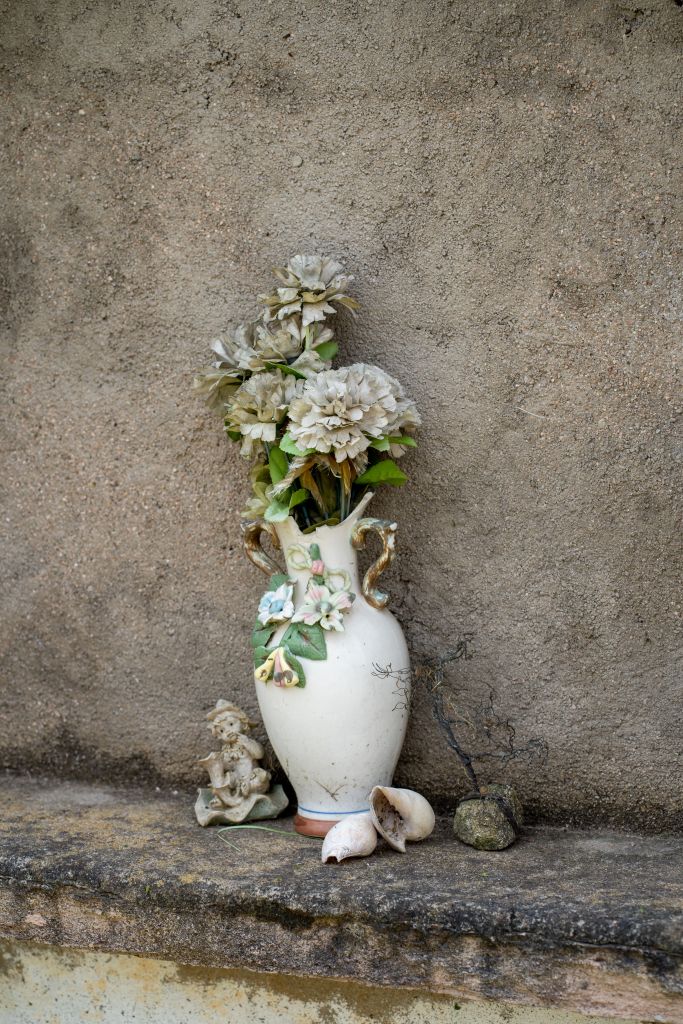
Someone who’s wracked by grief is very fragile, and they often feel broken. Like a fragile, chipped vase, they aren’t going to be the same as they were before. When we’re the one grieving, we especially need to keep that in mind. On either end of the equation, we need to be patient, gentle, and use care so as not to cause more damage. Though that chip will remain, it can retain its beauty and function, more precious than ever before.