
Mysteries are known for a variety of elements, such as the type of investigator at the lead of them, as well as the methods they employ to untangle their cases. At the heart of it all, however, the current that drives an audience to remain zoned is finding out who is behind whatever mystery needs to be solved. If you end a story without a face—or faces—behind the rising action you’ve been building, you can expect some negative feedback. After all, even Scooby Doo™ and the gang on Mysteries Inc always unmasked a villain, though it was hardly the monster some of the characters anticipated.
From a lifetime of reading and watching mysteries, I’ve seen an array of techniques in the fashion they’re presented and revealed. Sometimes, you get a sneak peek of the perpetrator in the very beginning, with a shadowy figure up to no good, while other times, you know exactly who it is right away. On the contrary, some writers leave you guessing until the bitter end, either with a suspect who appeared earlier in the story or someone hidden in the darkness all along that you never saw coming.
As a writer, there’s a lot of pressure and strategizing to determine the right angle for a particular story. “Plotters” may well have the antagonist in mind from the start, where “pantsers” like me might take a while to decide who’s in the role. Your method in that regard may influence which path to take in whether or not to provide a teaser in the beginning.
Once you do choose the adversary, the question arises as to when you start to reveal or hint at them. None of us want readers to lose interest and put down the book because it’s too predictable. That doesn’t mean, though, that we have to keep them completely in the dark until the last page. Doing so could still lead to disinterest if we’re just throwing suspects at them to fill space.
How do you attain the right balance?
In truth, there’s no right or wrong. We all have our different processes, and established readers clearly appreciate our individual style. Just the same, we don’t want to approach every story the same way to the point that each work blends with the past ones and allows readers to pinpoint the villain without much effort.
The fun part about mysteries is that there can be a lot of facets that need unraveled. Thus, if you reveal the character who’s the mastermind early on, you can still drive the plot with questions about the details of how they carried off their scheme. Along with that, readers enjoy seeing the interplay between an investigator and troublemaker, observing how one may elude the other or how the investigator finally catches that single mistake that traps the bad guy.
Speaking of mistakes, we can use them to our advantage, even when it comes to mistakes we make. How? Since our characters, in many cases, are human, they’re bound to mess up here and there, so keeping an accident we might make in the plot instead of rewriting it can help it be realistic. We can use it as another twist or aspect of the case that they need to resolve. Of course, though, some of our errors do need to be scrapped, especially if it’s not in line with the rest of the story or if we unintentionally give away too much at the wrong point.
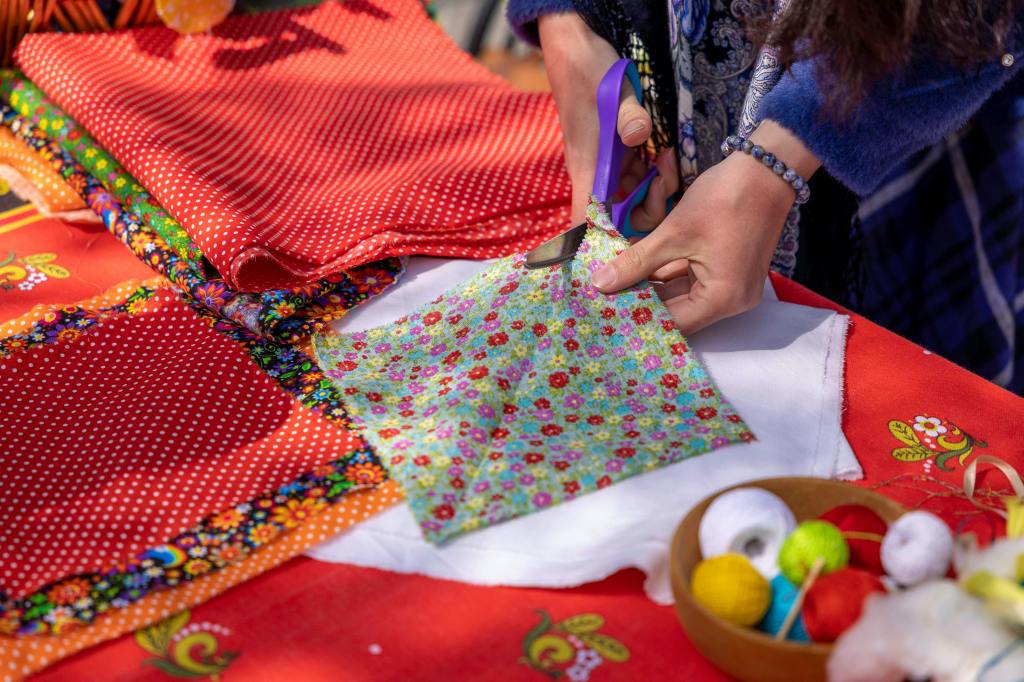
Putting a mystery together can be likened to making a quilt. You may fashion each patch into a different style, size, or shape that may not look cohesive at first, but once you stitch them together, they make for a pleasing design that brings delight to its owner. Likewise, with all of our developments and the pace we choose to take, we can create a tale that keeps readers wanting to figure out how everything fits together and leave them satisfied in the end.
Also See
Those Tantalizing Twists and Turns

